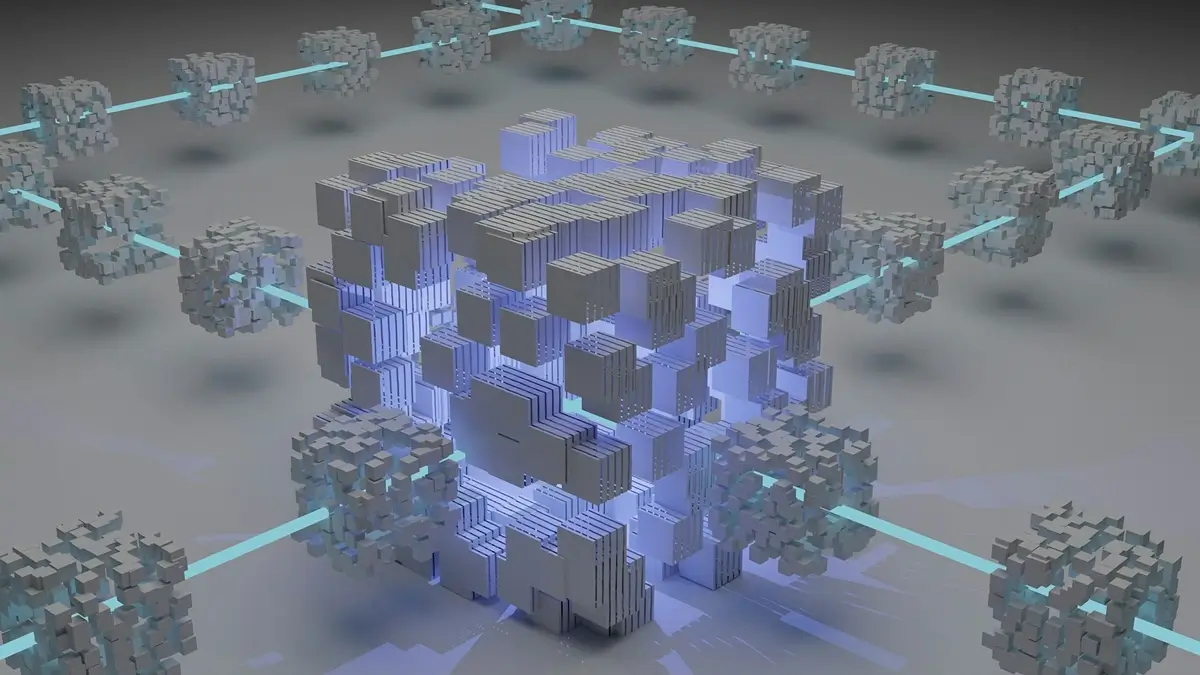
Blockchain: The Supply Chain Revolution
Supply chains are among the most complex systems in modern commerce, involving countless participants, handoffs, and data exchanges across global networks. Blockchain technology is fundamentally reshaping how these networks operate by introducing unprecedented levels of transparency, traceability, and trust without requiring centralized intermediaries.
The Trust Problem in Supply Chains
Traditional supply chains rely on documentation that passes through multiple hands—bills of lading, certificates of origin, quality inspection reports. Each handoff introduces opportunities for errors, fraud, and delays. When a shipment goes missing or a counterfeit product enters the system, tracing the source can take weeks or months of manual investigation.
Blockchain solves this through immutable, distributed ledgers that all parties can access in real-time. Every transaction—from raw material sourcing to final delivery—is recorded as a cryptographically secured block that cannot be altered retroactively. This creates a single source of truth that all stakeholders can trust without needing to trust each other.
“Blockchain doesn’t just digitize supply chains—it fundamentally reimagines how trust is established and maintained across complex networks. We’re moving from ‘trust but verify’ to a system where verification is built into every transaction.”
David Nakamoto
Blockchain Solutions Architect, Hutech Solutions
Real-World Applications
In pharmaceutical supply chains, blockchain is combating counterfeit drugs by enabling end-to-end traceability. Every pill can be traced back to its manufacturing facility, with tamper-evident records of every intermediary. This protects patient safety and helps pharmaceutical companies maintain regulatory compliance.
Food safety is another critical application. When contamination occurs, blockchain-enabled supply chains can identify affected batches within seconds rather than days. During a recent lettuce contamination incident, a blockchain-enabled retailer traced the source to a specific farm in under 3 seconds—a process that previously took over a week.
Smart Contracts: Automation Layer
Smart contracts add programmable logic to blockchain supply chains. Payments can be automatically released when GPS data confirms delivery. Quality disputes can trigger automatic inspections. Refrigeration temperature violations can immediately alert all parties and trigger corrective protocols—all without manual intervention.
This automation reduces administrative overhead while ensuring consistent policy enforcement. At Hutech Solutions, we’ve implemented smart contract systems that have reduced payment cycles from 45 days to real-time settlement, improving cash flow for small suppliers who previously struggled with long payment terms.
Challenges and Considerations
Despite its promise, blockchain adoption in supply chains faces real challenges. Integration with legacy systems requires careful planning. Network effects mean value increases as more participants join, but achieving critical mass takes time. Energy consumption of some blockchain protocols remains a concern, though newer consensus mechanisms are addressing this.
Privacy is another consideration. While transparency is valuable, not all supply chain data should be visible to all participants. Permissioned blockchains and zero-knowledge proofs are emerging solutions that enable selective disclosure—proving facts without revealing underlying data.